
Blog · Practical guide
Making Safeguarding Personal: A Practical UK Guide
By London Institute of Business and Management
In this guide
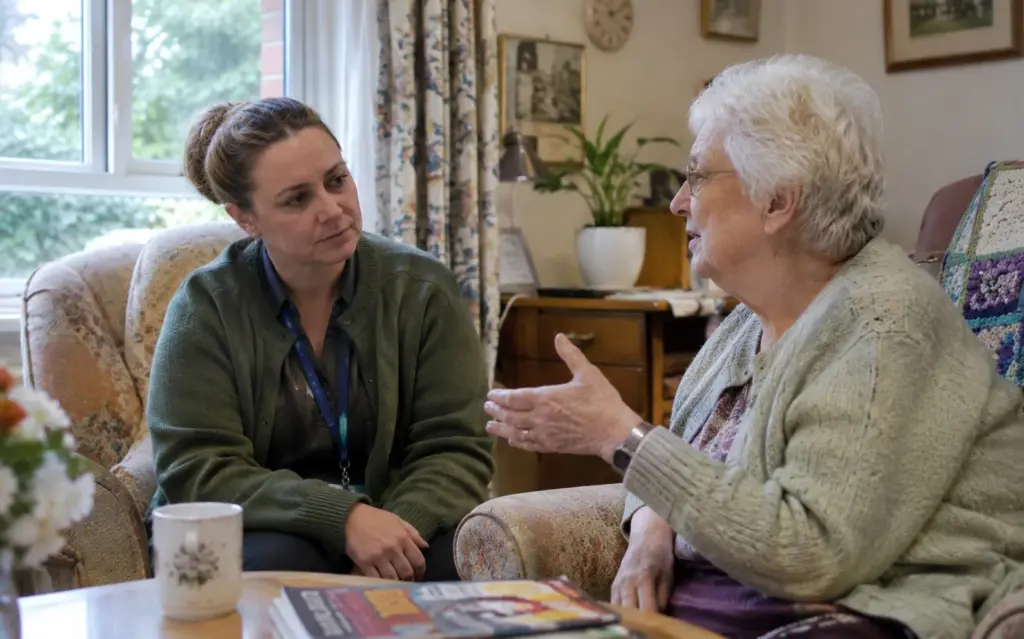
Good safeguarding starts with listening, not simply following procedures. When an adult raises a concern, their wishes, experiences and priorities should help shape what happens next. After all, feeling safe can mean different things to different people.
Making Safeguarding Personal encourages care workers and safeguarding professionals to focus on outcomes that matter to the individual. But what does this approach involve, and how can it work in everyday care?
Table of Contents
What Is Making Safeguarding Personal?
Making Safeguarding Personal (MSP) is a person-led, outcome-focused approach to adult safeguarding. It involves adults in decisions affecting their safety and wellbeing, considers their wishes and preferred outcomes, and helps professionals develop proportionate responses that respect individual choice while addressing safeguarding concerns.
The approach is described in England’s Care and Support Statutory Guidance, updated on 30 October 2026, which supports implementation of the Care Act 2014.
Process-led safeguarding may concentrate on whether an enquiry or referral has been completed. MSP also asks whether the individual feels safer and whether the response has achieved what matters to them.

For broader safeguarding knowledge, the related LIBM article Safeguarding Adults Level 3: Who Needs It and What It Covers explores the wider training context.
What Are the Principles of Making Safeguarding Personal?
Making Safeguarding Personal centres on participation, choice and meaningful outcomes. These ideas work alongside the established principles of adult safeguarding in England.
Putting the Adult’s Wishes and Choices First
Every adult has different experiences and priorities. Two people facing similar safeguarding concerns may want different outcomes.
One person might prefer changes to their care arrangements. Another may want additional support while maintaining independence.
Professionals should listen before proposing solutions, explain available options and involve the adult in decisions wherever possible.
How the Six Safeguarding Principles Support MSP
The Care and Support Statutory Guidance identifies six principles underpinning adult safeguarding:
- Empowerment: Supporting people to make informed decisions.
- Prevention: Taking action before harm occurs where possible.
- Proportionality: Responding appropriately to the level of risk.
- Protection: Supporting people who need help to stay safe.
- Partnership: Working collaboratively to prevent and respond to abuse.
- Accountability: Maintaining clear responsibilities and transparent decisions.
These are the six general adult safeguarding principles, not separate principles created exclusively for MSP.
Together, they support an approach that respects people’s rights while recognising the need for appropriate safeguarding action.
Free Six Principles of Safeguarding Poster
Print-ready poster with the six principles and the “I” statements from the Care Act guidance, plus a low-ink version and a team practice sheet.
- Colour A4/A3 poster
- Low-ink version
- Principles in practice sheet
Why Is Making Safeguarding Personal Important?
Making Safeguarding Personal matters because safeguarding decisions can affect someone’s independence, relationships, daily routines and sense of control.
A response that appears effective to professionals may not achieve what the adult wanted.
For example, changing care arrangements might address an organisational concern. However, the individual may still feel uncomfortable or excluded from decisions.
By involving adults meaningfully, professionals can better understand their priorities and consider responses that reflect their circumstances.
MSP encourages professionals to judge success through the person’s experience, rather than treating completion of a safeguarding process as the only measure.
Level 3 Safeguarding Children & Vulnerable Adults
Learn to recognise abuse and neglect, respond to disclosures, keep accurate records and report concerns with confidence.
- CPD AccreditedCertificate included
- 6h 19mStudy at your pace
- 14-DayMoney-back guarantee
How to Put Making Safeguarding Personal into Practice
Applying making safeguarding personal in practice requires more than asking someone what they want during an initial conversation. Their views should continue to inform decisions, actions and reviews.
Start by Asking What Matters to the Adult
Begin with a respectful conversation that gives the person space to explain their concerns.
Useful questions include:
- What is worrying you most?
- What would help you feel safer?
- What would you like to happen next?
- Who would you feel comfortable involving?
- Is there anything you would prefer not to happen?

Avoid assuming that the professional’s preferred solution is also the person’s preferred outcome.
Some adults may need communication adjustments, additional time or accessible information to express their views.
Agree and Record the Outcomes They Want
A safeguarding concern, a professional action and the person’s desired outcome are different things.
Consider this example:
| Element | Practical example |
|---|---|
| Safeguarding concern | An adult feels uncomfortable with a care worker's behaviour |
| Desired outcome | To feel safe and respected during personal care |
| Possible action | Review concerns and discuss appropriate care arrangements |
| Review question | Does the adult now feel safer receiving care? |
Recording these distinctions helps professionals understand what they are working towards.
Records should distinguish the adult’s views from professional observations and decisions. Although not every requested action will be appropriate, the person’s preferences should still be considered.
Involve the Adult Throughout the Process
Meaningful participation should continue after the first discussion.
Professionals can explain developments, discuss possible responses and check whether the person’s priorities have changed.
Some adults may require independent advocacy. Under Section 68 of the Care Act 2014, a local authority must arrange an independent advocate for qualifying safeguarding enquiries or reviews where the adult would experience substantial difficulty participating and there is no appropriate person to support their involvement, subject to the statutory conditions.
Staff should also follow organisational safeguarding procedures while involving the individual wherever possible.
Making Safeguarding Personal Examples in Care
These fictional examples show how Making Safeguarding Personal can influence everyday decisions in adult social care.
Example 1: A Care Home Resident Wants More Control
A care home resident feels uncomfortable receiving personal care from unfamiliar staff.
Rather than simply recording the complaint, a senior worker asks what would help the resident feel more at ease.
The resident explains that knowing who will provide their care would help.
Staff consider suitable changes while addressing any underlying concerns. They later check whether the arrangements have improved the resident’s experience.
Key lesson: Good safeguarding considers how the individual experiences the response, not just whether an action has been completed.
Example 2: An Adult Wants to Remain Independent at Home
An older adult wishes to remain at home despite concerns about their safety.
Professionals discuss the risks, available support and what independence means to that person.
They consider proportionate measures without automatically assuming relocation is necessary.
Any decision must account for relevant legal duties, the adult’s capacity and the circumstances.
Key lesson: Respecting independence and managing safeguarding risks should be considered together.
Example 3: An Adult Finds Communication Difficult
An adult with communication difficulties needs to discuss concerns about their care.
The professional provides accessible information, allows additional time and considers appropriate communication support.
Rather than relying entirely on someone else’s interpretation, they seek the adult’s own views wherever possible.
Key lesson: Inviting someone to participate is not enough unless they have a meaningful opportunity to communicate.
These examples focus on involvement rather than reporting procedures. The related LIBM article What Is a Safeguarding Concern? Examples and What to Do Next addresses recognising concerns and responding appropriately.
Does Making Safeguarding Personal Mean Always Following the Adult's Wishes?
No. MSP places the adult’s wishes at the centre of decisions, but it does not remove professional responsibilities or legal safeguarding duties.
Respecting Choice While Managing Risk
An adult may refuse support or prefer an option that professionals consider risky.
The appropriate response depends on factors such as mental capacity, possible coercion, risks to others and legal obligations.
Under Section 42 of the Care Act 2014, local authorities in England must make, or arrange, safeguarding enquiries when the statutory criteria are met.
This does not automatically mean overriding the adult’s decisions.
Professionals should explain options, consider proportionate responses and record the reasons for their actions.
What If the Adult Lacks Mental Capacity?
The Mental Capacity Act Code of Practice provides guidance on decisions involving people who may lack capacity.
Capacity relates to a particular decision at a particular time.
Adults must be presumed to have capacity unless established otherwise, and practicable support should be provided to help them decide.
Making an unwise decision does not, by itself, demonstrate a lack of capacity.
Where someone lacks capacity for a particular decision, relevant best-interests requirements apply. Their wishes and feelings should still be considered, with involvement wherever possible.
How Can Professionals Tell Whether MSP Has Worked?
An outcome-focused approach continues after safeguarding actions have been agreed.
Professionals should revisit the adult’s original wishes and ask whether the response has made a meaningful difference.
For example, if someone wanted to feel safer receiving personal care, a review should consider their experience, not simply whether staffing arrangements changed.

The Local Government Association’s Making Safeguarding Personal resources include tools supporting implementation and outcome-focused practice.
Developing safeguarding knowledge can help professionals approach these situations thoughtfully. LIBM’s Level 3 Safeguarding Children & Vulnerable Adults is a CPD-accredited, self-paced online course covering safeguarding legislation, adult safeguarding, communication in care and responding to concerns.
Frequently Asked Questions
Is Making Safeguarding Personal a Legal Requirement?
MSP is not a separate Act of Parliament. It is a person-led approach described in England’s Care and Support Statutory Guidance. Relevant organisations must distinguish statutory duties under the Care Act 2014 from the wider professional approach and good practice promoted through MSP.
Can an Adult Refuse Safeguarding Support?
An adult with capacity may refuse an offer of support. However, professionals must consider the circumstances, including possible coercion, risks to others and applicable legal duties. A refusal does not automatically remove the need to assess concerns or consider appropriate safeguarding action.
What Are Desired Outcomes in Safeguarding?
Desired outcomes are the changes an adult wants to achieve through the safeguarding response.
For example, someone may want to feel safe receiving care while maintaining their preferred routine. Professionals should discuss these wishes, consider appropriate actions and review whether the intended outcomes have been achieved.
Making Safeguarding Personal means treating adults as active participants in decisions about their safety, rather than simply recipients of professional intervention.
Listening to their wishes, explaining choices and reviewing outcomes helps keep the person’s voice central throughout the safeguarding process.
Who Is Responsible for Making Safeguarding Personal?
Making Safeguarding Personal is a shared responsibility among professionals involved in adult safeguarding, including social workers, care staff, safeguarding leads and local authorities. In England, local authorities have specific safeguarding duties under the Care Act 2014. Everyone involved should support the adult’s participation, respect their preferences and help ensure safeguarding responses reflect their desired outcomes.
How Does Making Safeguarding Personal Support Person-Centred Care?
Making Safeguarding Personal supports person-centred care by involving adults in decisions about their safety, wellbeing and independence. Rather than making decisions solely on their behalf, professionals ask what matters to them and consider their preferred outcomes. This helps safeguarding responses reflect individual needs while addressing risks and legal responsibilities.
What Is the Difference Between Making Safeguarding Personal and Traditional Safeguarding?
Traditional process-led safeguarding may focus on completing referrals, enquiries and procedures. Making Safeguarding Personal places additional emphasis on the adult’s wishes, participation and outcomes. Both approaches must address safeguarding concerns, but MSP also considers whether the person feels safer and whether the response has achieved what matters to them.
Explore more practical guides and learning resources from London Institute of Business and Management.
Keep learning. Keep moving forward.
Back to top